
"season introduction"
5000 article(s) found
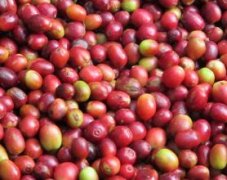
A brief introduction to the description of flavor, taste and aroma characteristics of Columbia exquisite coffee beans
And the annual rainfall in Nalinglong province shows a peak distribution, with a rainy season, which lasts from October of that year to May of the following year, and the dry season lasts for June, July and August. However, even in dry months, coffee farmers will not worry too much, because the warm current caused by trade winds from the southern continent will produce enough water vapor when they meet with a cool night, just to replenish the coffee trees with water.

Kenya coffee cultivation methods, Kenya coffee varieties Nyeri Central Mountain region Introduction
Kenyan coffee varieties were first brought to Kenya for cultivation as Bourbon Bourbon. In the 1950s, Scott Laboratory, an agricultural research institution at that time, made unremitting efforts to select SL-28 and SL-34, two excellent hybrids, overturning the long-standing bias that artificial breeding varieties were not superior to natural varieties. SL-28, SL-34 help Kenya

Introduction of bitter, fragrant and delicious coffee from La Tisa Manor in Guatemala
Guatemala is located in the tropics, the northern and eastern coastal plains have a tropical rain forest climate, the southern mountains have a subtropical climate, the year is divided into two dry and wet seasons, with the wet season from May to October and the dry season from November to April of the following year. The narrow and fertile flatlands on the Pacific side of Guatemala have a tropical climate. The central plateau is also the cultural center of Guatemala, where the year-round temperature ranges from 1300 to 1800 meters.

Introduction of Narinho Coffee beans in Coffee producing area of Colombia
Following Cafe Review (Wechat official account vdailycom) found that Beautiful Cafe opened a small shop of its own Narino: geographical location Narino, the domestic coffee industry translated as Na Linglong, really very poetic and beautiful, reminiscent of Xu Zhimo's cold emerald. Literal translation, Nalinho. It is a province in southwestern Colombia, 640km from the capital Bogota. South and Ecuador
Colombia coffee beans origin flavor grade characteristics story introduction Colombia coffee beans variety brief description
Professional coffee knowledge exchange More coffee bean information Please pay attention to Coffee Workshop (Weixin Official Accounts cafe_style) Colombia Coffee (COLUMBIA) Colombia produces coffee beans accounting for about 12% of the second place in the world. Although the output is not as good as Brazil, the coffee beans are of excellent quality and mostly belong to high altitude.

Description of Rwandan Coffee Flavor introduction to the production area of grinding degree of fine coffee beans
The biggest harvest season for Rwandan coffee is during the main rainy season, from March to the end of May. During the harvest season, farmers spend most of their day picking coffee fruits by hand. In the afternoon, farmers carry coffee fruits in traditional baskets made of banana leaves to a cleaning station a few hours away. The mechanic uses his hands to make the best quality coffee with crimson color.

Introduction to the Flavor and Taste of Kilimanjaro Coffee Manor in Tanzania
The types of rainfall can be divided into bimodal distribution and unimodal distribution. The areas with double bee rainfall include the provinces around the Lake Victoria basin, the northeast highlands, the coastal and inland northeastern. The bimodal rainfall area is characterized by two rainy seasons. The short rainy season occurs from September to December. The total rainfall can reach 200-500 mm. The long rainy season occurs from March to May.

Flavor description of Arusha Coffee Manor in Tanzania introduction of boutique coffee beans
The types of rainfall can be divided into bimodal distribution and unimodal distribution. The areas with double bee rainfall include the provinces around the Lake Victoria basin, the northeast highlands, the coastal and inland northeastern. The bimodal rainfall area is characterized by two rainy seasons. The short rainy season occurs from September to December. The total rainfall can reach 200-500 mm. The long rainy season occurs from March to May.

Brief introduction of coffee from eight major producing areas in Guatemala: Vera Coffee the producing area of Guatemalan Coffee
5. The Waiqiang Plateau (FraijanesPlateau): this area is of volcanic soil, with high altitude, sufficient rainfall and great humidity variation. Ash from Pacaya, Guatemala's most active volcano, provides important minerals for the soil in the region. There is plenty of sunshine in the dry season, and although the clouds and dew are heavy in the morning, they dissipate quickly. As a result, 100% of the coffee in the area is added to the sun.

Delicious Guatemala Antigua Floral Coffee Flavor Description Variety Origin Grind Introduction
Guatemala is located in the tropics. The northern and eastern coastal plains have a tropical rain forest climate, while the southern mountains have a subtropical climate. There are two dry and wet seasons in a year. May to October is the wet season, and November to April of the following year is the dry season. Guatemala has a tropical climate on the narrow, fertile plains of the Pacific Ocean. The central plateau is also the cultural center of Guatemala, where year-round temperatures range from 1300 to 1800 meters

Description of the Flavor of Kilimanjaro Coffee in Tanzania; introduction to the taste of varieties in producing areas
The types of rainfall can be divided into bimodal distribution and unimodal distribution. The areas with double bee rainfall include the provinces around the Lake Victoria basin, the northeast highlands, the coastal and inland northeastern. The bimodal rainfall area is characterized by two rainy seasons. The short rainy season occurs from September to December. The total rainfall can reach 200-500 mm. The long rainy season occurs from March to May.

Planning a process for making recipes introduction to the proposed blending method of Italian Coffee
First, it is the goal of the baker to sell coffee beans with the same taste all the year round. after all, some customers want to drink the flavor they like all year round, but unfortunately, coffee is a crop, and the harvest varies from season to season, so, how to adjust the type and proportion of the formula is a way to make fresh and stable coffee. Second, the more important reason for making formula beans

Introduction of Panamanian Coffee Flavor and Taste Jade Manor Panamanian Coffee producing area
Basic information of Pokuit classic coffee beans: local basic climate: rainy season May-December, dry season January-April soil characteristics: volcanic rock soil raw bean treatment method: full water washing, sun drying or machine drying raw bean grade: SHB very hard bean coffee varieties: iron pickup, Kaddura, Kaduai, bourbon harvest and export time: October-December harvest, November-May exports to Central American countries are generally

Introduction of Guatemalan Fine Coffee introduction to Guatemalan Coffee producing areas
Guatemala is a famous producer of high-quality Arabica coffee in Central America. Coffee from five volcanic and three non-volcanic producing areas is very unique and enjoys a high reputation in the international market. Mr. EduardoAmbrocio of the Guatemalan Coffee Company introduced Guatemalan coffee to the audience at the SCAA Houston show in April 2010. 1. Alcatraguo Valley (AcatenangoValley)

Guatemala Antigua Coffee with good Taste Flavor description characteristics of Grinding degree introduction of varieties
Guatemala is located in the tropics, the northern and eastern coastal plains have a tropical rain forest climate, the southern mountains have a subtropical climate, the year is divided into two dry and wet seasons, with the wet season from May to October and the dry season from November to April of the following year. The narrow and fertile flatlands on the Pacific side of Guatemala have a tropical climate. The central plateau is also the cultural center of Guatemala, where the year-round temperature ranges from 1300 to 1800 meters.
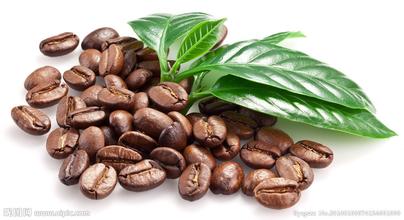
Introduction to the characteristics of Manor Brand and Regional treatment of graded production of Coffee beans in Kenya
Kenya Coffee Bean Manor Brand characteristics graded production Regional treatment method Kenya is a well-known producer based on the size of coffee beans. Usually divided into nine grades, according to the bean type, there are PB, that is, round beans, accounting for about 10% of the total output, in addition to E (elephant beans), AA, AB, C, T, TT, MH, ML according to size. Kenyan coffee related agency KCPTA: Kenny

Introduction to the flavor and taste of the fragrant Guatemalan coffee manor
Guatemala is located in the tropics, the northern and eastern coastal plains have a tropical rain forest climate, the southern mountains have a subtropical climate, the year is divided into two dry and wet seasons, with the wet season from May to October and the dry season from November to April of the following year. The narrow and fertile flatlands on the Pacific side of Guatemala have a tropical climate. The central plateau is also the cultural center of Guatemala, where the year-round temperature ranges from 1300 to 1800 meters.

Introduction of San Marco Volcano Coffee producing area in Guatemala the flavor characteristics of coffee beans in San Marco producing area
The San Marco volcano producing area is the highest rainfall and warmest of the eight producing areas in Guatemala. The ash provided by Santiaguito, a nearby active volcano, makes its soil more fertile. The seasonal rainfall comes earlier than in other areas, so the coffee in this area

Introduction of Coffee from eight Major producing areas in Guatemala the origin of Guatemalan coffee is in danger.
Guatemala is a famous producer of high-quality Arabica coffee in Central America. Coffee from five volcanic and three non-volcanic producing areas is very unique and enjoys a high reputation in the international market. Mr. EduardoAmbrocio of the Guatemalan Coffee Company introduced Guatemalan coffee to the audience at the SCAA Houston show in April 2010. 1. Alcatraguo Valley (AcatenangoValley)

An introduction to the flavor and taste characteristics of the coffee manor in Guatemala
Guatemala is located in the tropics, the northern and eastern coastal plains have a tropical rain forest climate, the southern mountains have a subtropical climate, the year is divided into two dry and wet seasons, with the wet season from May to October and the dry season from November to April of the following year. The narrow and fertile flatlands on the Pacific side of Guatemala have a tropical climate. The central plateau is also the cultural center of Guatemala, where the year-round temperature ranges from 1300 to 1800 meters.